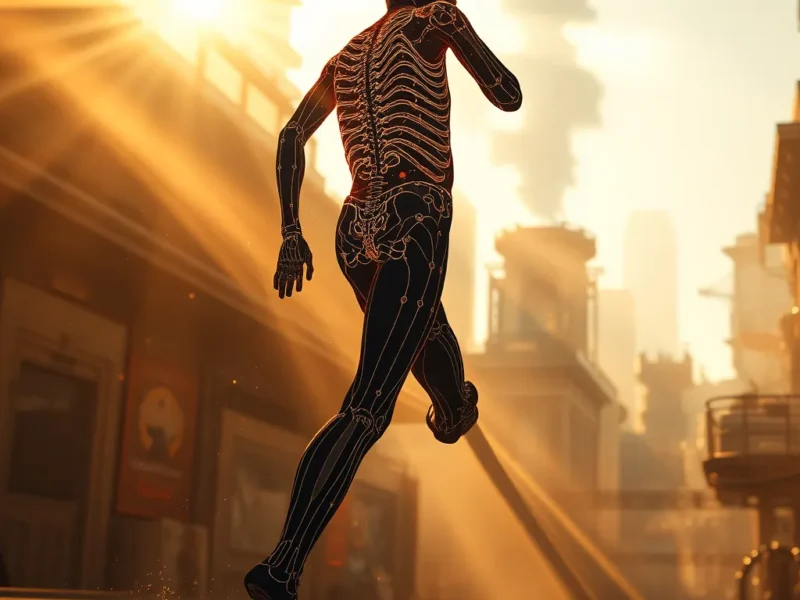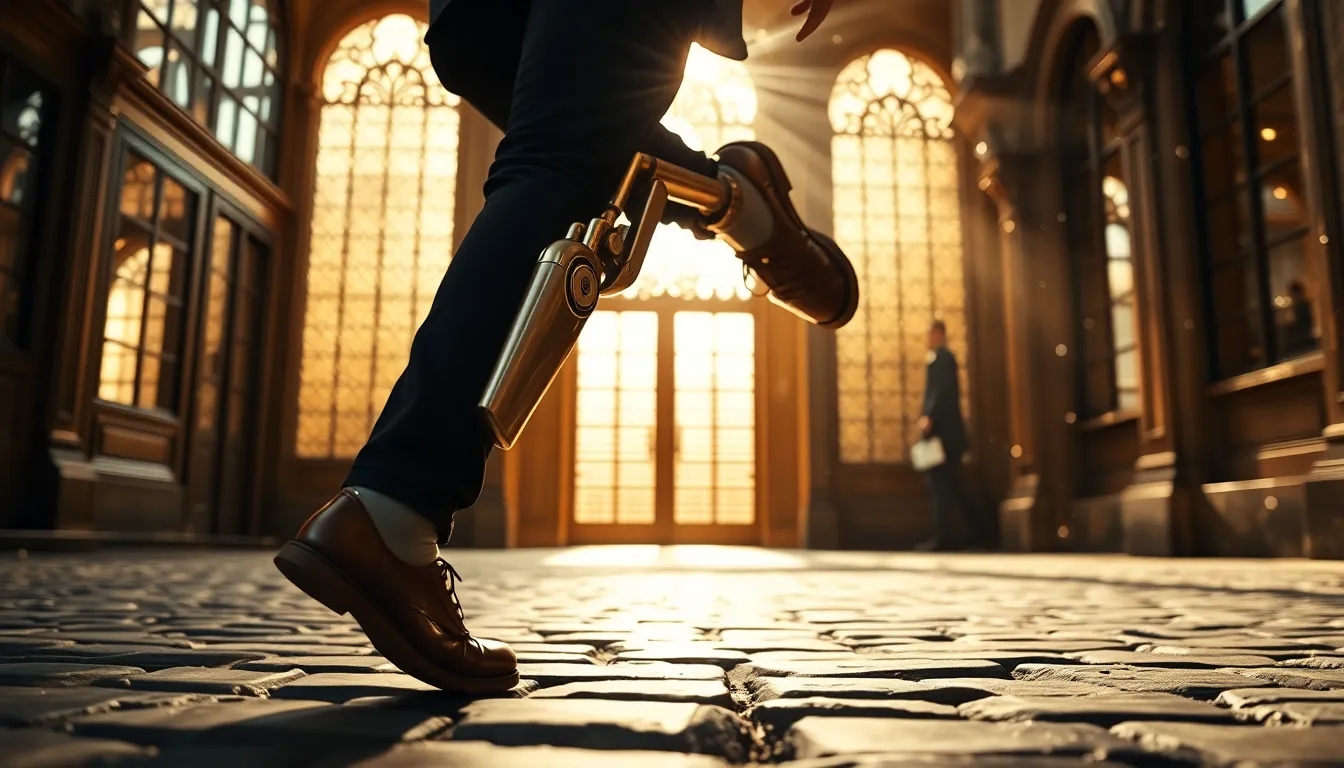
The gap between human intention and machine response is narrowing. For decades, prosthetic limbs offered basic mechanical function, but they felt foreign, sluggish, and disconnected from the body's natural rhythm. Today, AI is changing that. By interpreting neural signals, learning movement patterns, and adapting to real-world environments in real time, intelligent prosthetics are beginning to restore something profoundly human: the ability to move without thinking about it. This shift isn't just about better hardware or faster processors. It's about reconnecting the brain's command center with the physical world, giving users not just mobility, but agency.
How AI Interprets Neural Signals for Natural Control
Traditional prosthetics relied on basic mechanical switches or simple myoelectric sensors that detected muscle contractions. The user had to consciously tense specific muscles to trigger pre-programmed movements. It worked, but it felt clunky and deliberate, like piloting a robot rather than moving your own limb.
Modern smart prosthetics flip that script. They use arrays of sensors combined with microprocessors to detect bioelectrical signals from residual muscles and, in some cases, direct neural inputs. AI algorithms process these signals continuously, translating intention into motion with far more precision and speed. Instead of triggering a single pre-set grip or stance, the system interprets the pattern of signals and adjusts multiple motors and joints simultaneously to match what the user intends.
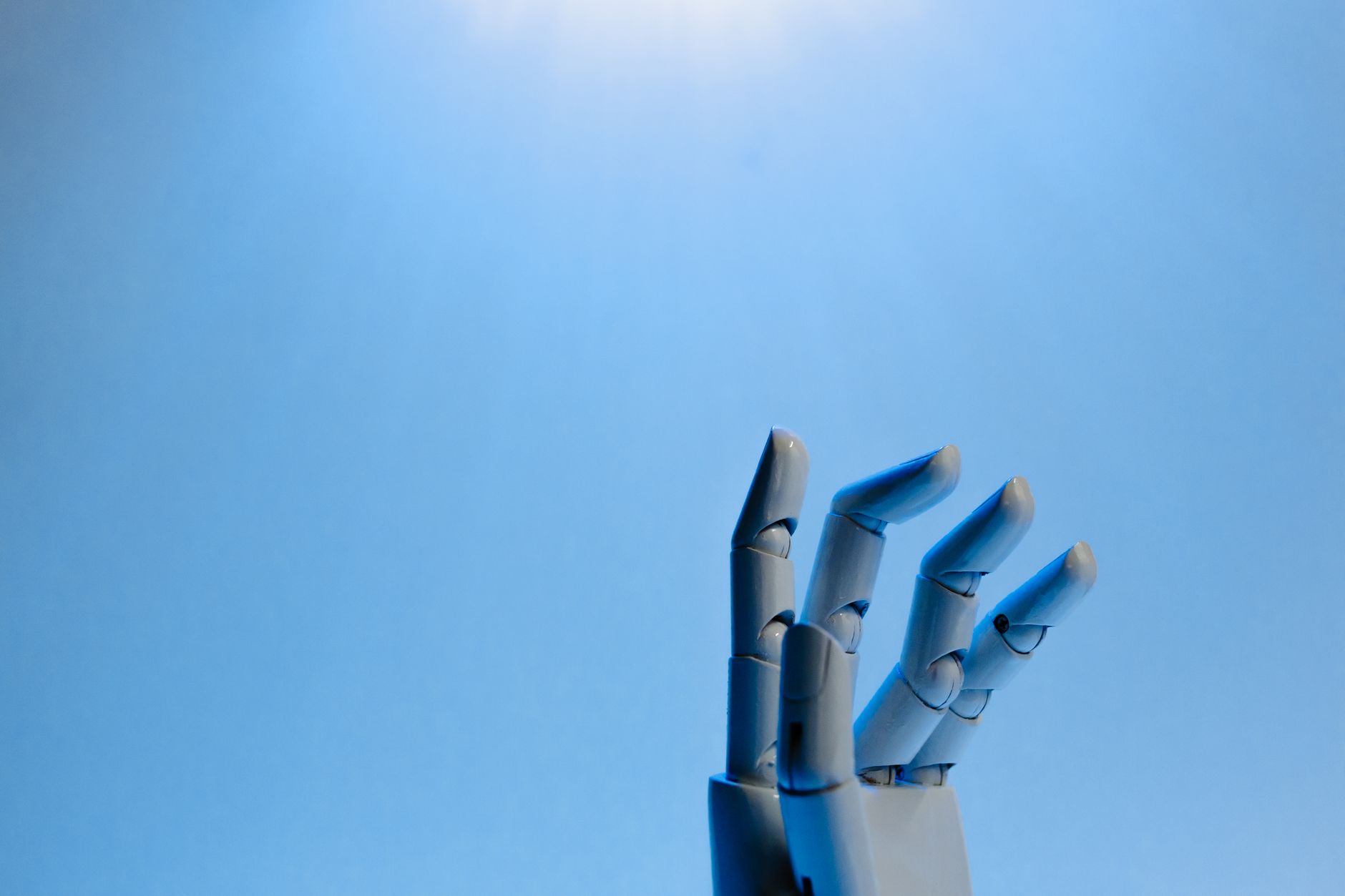
The Agonist-Antagonist Myoneural Interface (AMI) takes this even further. This surgical technique reconnects opposing muscle pairs in the residual limb, preserving the natural push-pull relationship between muscles. When the user thinks about moving, both muscles respond as they would in an intact limb, and the brain receives proprioceptive feedback - the body's sense of position and movement. AMI patients report feeling their prosthetic ankle's position without looking, a sensation missing in conventional prosthetics. Combined with AI processing, this feedback loop allows for smoother, more intuitive control.
The result is movement that feels less like operating a tool and more like moving part of yourself. Users walk with more natural gait patterns, adjust grip strength on the fly, and navigate obstacles without consciously switching modes.
Learning and Adapting to Real-World Movement
Walking on flat linoleum in a lab is one thing. Crossing gravel, climbing stairs, or pivoting on grass is another. Static programming can't anticipate every surface, incline, or sudden shift in momentum. This is where AI's learning capability matters most.
AI-powered prosthetics use machine learning algorithms trained on vast datasets of human movement. They recognize patterns - the shift in weight before a step, the subtle muscle signals that precede a turn, the adjustments needed when terrain changes underfoot. Over time, these systems learn from the individual user's habits and preferences, fine-tuning their responses to match that person's unique gait and movement style.
Sensors embedded in the prosthetic detect changes in angle, pressure, and acceleration. When the system senses an incline, it adjusts the ankle angle and knee resistance automatically. When it detects uneven ground, it modulates stiffness to absorb shock and maintain balance. Users don't need to toggle settings or manually adjust their device. The prosthetic responds, much like a biological limb would.
Some advanced systems can even predict the user's next move based on current motion patterns. If you're walking and suddenly accelerate, the prosthetic anticipates a jog or run and adjusts joint behavior accordingly. If you slow down near a curb, it prepares for a step up. This predictive capability reduces the cognitive load on the user, allowing them to focus on where they're going rather than how the prosthetic needs to behave.
Restoring Not Just Function, But Confidence
The technical specs matter, but the human impact is what really counts. When prosthetics respond naturally, users regain more than mobility. They regain confidence in their own bodies.
Consider the difference between walking into a room and worrying whether your prosthetic will catch on a threshold versus walking in and simply moving. Early adopters of AI prosthetics report feeling less self-conscious, less hesitant. They navigate crowded spaces, uneven sidewalks, and social situations with less mental overhead. The prosthetic becomes part of their movement vocabulary rather than a separate task to manage.
For upper-limb prosthetics, the difference shows up in fine motor tasks. Picking up a glass, typing on a keyboard, or holding a child's hand all require precise, modulated force. AI-driven myoelectric hands adjust grip strength in real time, using feedback from pressure sensors to avoid crushing fragile objects or dropping heavier ones. Users can shake hands, button a shirt, or handle tools without constantly worrying about calibration.
This isn't just convenience. It's dignity. The ability to move through the world without constant accommodation or adjustment is something most people take for granted. AI in prosthetics is beginning to restore that taken-for-granted ease, closing the gap between what the brain wants and what the body can do.
Current Limitations and the Road Ahead
Despite rapid progress, challenges remain. Cost is a significant barrier. Advanced AI prosthetics with neural interfaces, adaptive learning, and high-fidelity sensors can run into six figures, far beyond the reach of most patients without substantial insurance coverage or subsidies. Accessibility remains uneven, with cutting-edge devices concentrated in well-funded research hospitals and specialty clinics.
Battery life is another practical issue. The more sensors, processors, and motors a prosthetic uses, the more power it consumes. Current devices typically require daily charging, and heavy use can drain batteries faster. Users need to plan around power limitations, which can feel like a step backward compared to older, purely mechanical prosthetics that never needed a charge.
Training time varies widely. While some users adapt quickly to AI-assisted prosthetics, others need weeks or months of physical therapy and calibration sessions to achieve smooth, natural movement. The learning curve isn't just on the AI side - the user's nervous system also needs time to adjust to the new feedback loop, especially with advanced interfaces like AMI.
Durability in real-world conditions is still being proven. Labs and controlled trials are one environment; years of daily wear, exposure to moisture, temperature swings, and physical stress are another. Long-term reliability data for the latest AI systems is still accumulating, and repairs or replacements for high-tech components can be complex and expensive.
Still, the trajectory is clear. Research continues into more efficient algorithms, lighter materials, longer-lasting batteries, and more affordable manufacturing. Standardization efforts aim to make components interchangeable and repairs easier. As these systems mature, the gap between cutting-edge research and everyday availability will narrow.
Conclusion
AI in prosthetics represents a shift from assistive devices to integrated extensions of the body. By learning movement patterns, interpreting neural signals, and adapting to changing environments, these systems are restoring not just function but fluidity. Users walk, run, climb, and grasp with movements that feel increasingly natural, reducing the mental effort required to navigate daily life. Challenges around cost, battery life, and accessibility remain, but the core technology is proving itself in real-world use. The future isn't about making prosthetics that mimic limbs - it's about creating prosthetics that respond so intuitively, users stop thinking of them as separate at all. That seamless integration, where intention and action align without conscious translation, is the true promise of AI in this field.
FAQs
How long does it take to learn to use an AI-powered prosthetic?
Training duration depends on the complexity of the device and the type of amputation. Basic myoelectric prosthetics with AI assistance may take a few weeks to master, while advanced systems using neural interfaces like AMI often require several months of guided physical therapy. The AI learns your movement patterns over time, so early sessions focus on calibration and muscle memory development, with smoother control emerging as both you and the system adapt.
Can AI prosthetics be used for sports or high-impact activities?
Yes, but it depends on the specific device and its durability rating. Some AI prosthetics are designed specifically for athletic use, with reinforced joints and algorithms trained on running, jumping, and lateral movement. These models can handle activities like jogging, cycling, or swimming. However, contact sports or extreme impact activities may still exceed the design limits of most consumer devices, requiring specialized equipment and careful monitoring to prevent damage.
Do AI prosthetics require regular software updates?
Most do. Manufacturers release firmware updates to improve movement algorithms, fix bugs, and sometimes add new features based on user feedback and ongoing research. Updates are typically installed via Bluetooth or USB connection during routine clinic visits or at home with the help of a smartphone app. Keeping the software current ensures optimal performance and can extend the functional lifespan of the hardware as algorithms become more efficient.
What happens if the AI system malfunctions during use?
Most advanced prosthetics have fail-safe modes. If the AI processor detects an error or loses sensor input, the device typically reverts to a basic, pre-programmed movement mode or locks into a stable position to prevent falls. Users are trained to recognize warning signals like unusual vibrations, resistance, or audible alerts. Many devices also log error data that technicians can review during maintenance appointments to diagnose and fix recurring issues before they become critical.
Are there age limits for AI prosthetic users?
There's no strict upper age limit, but candidacy depends more on physical health, cognitive ability, and lifestyle needs than chronological age. Children can use AI prosthetics, though growing bodies require frequent adjustments and component replacements, making cost a bigger concern. Elderly users benefit from the adaptive stability features, but may face longer training periods if dexterity or balance is already compromised. Clinicians assess each case individually, weighing the potential benefit against the effort and resources required for successful adoption.