
Traffic jams cost us more than time. They drain fuel, worsen air quality, and add stress to millions of daily commutes. Traditional traffic lights follow fixed timers, oblivious to whether two cars or two hundred sit waiting. AI traffic control changes that equation. By using sensors, cameras, and machine learning to read real-time road conditions, these systems adjust signals on the fly, prioritize emergency vehicles, and cut idling that pumps pollutants into city air. Cities deploying AI traffic management are already seeing dramatic results - shorter travel times, fewer emissions, and roads that respond intelligently to how people actually move.
How AI Traffic Systems Read and React to Traffic Flow
AI traffic control relies on a network of sensors and cameras positioned at intersections and along roadways. These devices feed continuous data - vehicle counts, speeds, queue lengths, pedestrian movements - into machine learning algorithms that predict congestion before it happens. Unlike traditional systems that cycle through predetermined phases, AI adjusts signal timing in real time. If northbound traffic is heavy but eastbound lanes are nearly empty, the system extends the green light where it's needed and shortens the wait elsewhere.
Pittsburgh's Surtrac system offers a clear example. Deployed across dozens of intersections, Surtrac reduced vehicle travel times by 25% and cut idling time by 40%. Those numbers represent real minutes saved and real fuel not burned sitting at red lights. The system constantly learns from traffic patterns, adapting to rush hours, events, and even weather-related slowdowns. It doesn't wait for human operators to notice a problem - it recognizes emerging congestion and reroutes flow automatically.
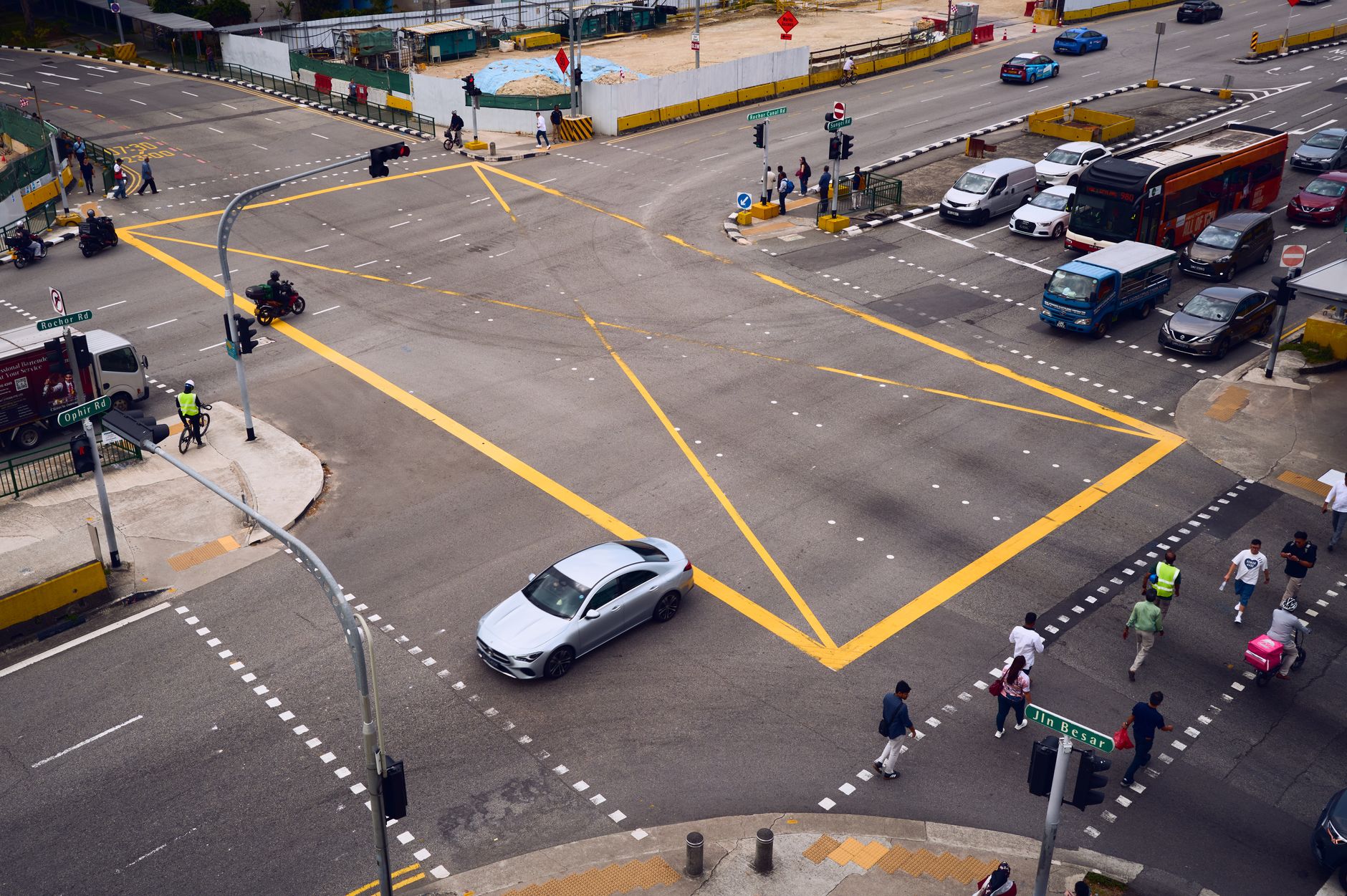
This dynamic adjustment extends beyond cars. AI systems can detect pedestrians waiting to cross and shorten their wait times during off-peak hours, or extend crossing phases near schools during drop-off times. Emergency vehicles get priority routing - when an ambulance approaches, the system clears a green corridor ahead, cutting precious seconds from response times. The technology transforms traffic signals from dumb timers into responsive agents that balance competing demands across an entire road network.
Real-World Results: Faster Commutes and Cleaner Air
Hangzhou, China, deployed its City Brain AI system with striking outcomes. Average commute time fell by 22.9%, dropping from 35 minutes to 27 minutes across the city. That eight-minute reduction multiplied across millions of commuters represents hours returned to daily life. The system processes data from hundreds of thousands of cameras and sensors, managing traffic across one of the world's most congested urban areas. During peak hours, it predicts bottlenecks and adjusts signals city-wide to smooth flow before gridlock sets in.
Beyond time savings, AI traffic control delivers measurable environmental benefits. Pittsburgh saw a 21% reduction in vehicle emissions after implementing Surtrac, while Los Angeles achieved a 21% citywide reduction through its own AI traffic management efforts. Less idling means less fuel burned and fewer greenhouse gases released. For cities struggling to meet air quality standards, AI traffic systems offer a practical tool that doesn't require replacing vehicles or building new infrastructure - just making existing roads work smarter.
These gains compound over time. As deep learning models ingest more data, they refine their predictions and responses. Seasonal patterns, event-driven surges, construction detours - all become part of the system's knowledge base. A city that implements AI traffic control in 2026 will see better performance in 2027 and better still in 2028 as the algorithms learn local quirks and optimize continuously.
Challenges and Trade-Offs in AI Traffic Management
Deploying AI traffic control isn't plug-and-play. Cities need to install sensors, upgrade legacy signal hardware, and integrate data streams from multiple sources. Costs vary widely depending on existing infrastructure, but initial investment can run into millions for a mid-sized city. Maintenance requires technical expertise - someone has to monitor system health, troubleshoot sensor failures, and update algorithms as road networks change.
Privacy concerns surface whenever cameras and sensors track movement. While AI traffic systems focus on aggregate flow data rather than individual vehicles, the potential for tracking exists. Cities must establish clear policies on data retention, access, and anonymization. Transparency about what gets collected and how it's used builds public trust. Without it, residents may resist technology that feels like surveillance dressed up as traffic management.
There's also the equity question. AI systems optimize for overall flow, but that doesn't guarantee fairness across neighborhoods. If algorithms prioritize major arterials where data is richest, side streets in lower-income areas might see less improvement. Intentional design and oversight are necessary to ensure benefits distribute evenly. Traffic management isn't just a technical problem - it's a civic one that requires balancing efficiency with fairness and privacy with public good.
Conclusion
AI traffic control is already reshaping how cities manage congestion, cut emissions, and return time to commuters. The results from Pittsburgh, Hangzhou, and Los Angeles aren't projections - they're documented reductions in travel time, idling, and pollution achieved through systems running today. As more cities adopt these tools, the challenge shifts from proving the technology works to deploying it equitably and maintaining public trust. The sensors and algorithms exist. What remains is the political will to invest in infrastructure that makes cities more livable and the commitment to use that technology responsibly. For the millions who lose hours each week to traffic, AI offers a concrete path to better commutes - one that doesn't demand entirely new roads or fleets of vehicles, just smarter use of what's already there.
FAQs
Can AI traffic systems handle unexpected events like accidents or road closures?
Yes, most AI traffic systems detect sudden changes in flow patterns that signal accidents or blockages. When sensors register stationary vehicles or unusual congestion, the system can reroute traffic by adjusting nearby signals to steer vehicles toward alternate paths. Some systems integrate with emergency services data feeds to receive immediate notification of incidents and preemptively adjust signal timing before congestion spreads.
Do AI traffic control systems work in smaller cities or only large metros?
AI traffic management scales to various city sizes. While large metros see the most dramatic total time savings due to high vehicle volumes, smaller cities benefit proportionally from reduced idling and smoother flow. The technology requires upfront investment in sensors and integration, but cities with even a few dozen smart intersections can see meaningful improvements. The key factor is traffic volume density - if certain corridors experience regular congestion, AI can help regardless of overall city population.
How do AI systems prioritize emergency vehicles without causing chaos for regular traffic?
Emergency vehicle preemption typically uses GPS tracking or dedicated radio signals that alert the AI system to an approaching ambulance, fire truck, or police car. The system calculates the vehicle's route and creates a "green wave" by timing lights to stay green as the emergency vehicle passes through, then returns to optimized scheduling once it clears. Regular traffic experiences brief delays - usually seconds rather than minutes - and the system compensates by extending green phases shortly after to clear any backup.
What happens if the AI system fails or sensors go offline?
Most AI traffic systems include fallback modes. If sensors fail or connectivity drops, intersections revert to pre-programmed timing plans similar to traditional traffic lights. Critical intersections often have redundant sensors to prevent single points of failure. System health monitoring alerts operators to equipment problems so repairs happen quickly. While a full system outage would eliminate real-time optimization, traffic doesn't stop - it just returns to the less efficient fixed-timing approach cities used before AI.
How long does it take for an AI traffic system to start showing results after installation?
Initial improvements often appear within weeks as the system begins adjusting signals based on observed patterns. However, full optimization takes several months as machine learning models accumulate data across different times of day, days of the week, and seasonal variations. Pittsburgh's Surtrac showed measurable travel time reductions within the first few months, with performance continuing to improve over the first year as the algorithms refined their predictions and responses to local traffic behaviors.