Small, six-wheeled robots are quietly becoming part of the urban landscape. They roll down sidewalks at a leisurely pace, stopping for pedestrians, navigating crosswalks, and delivering groceries, takeout meals, and packages directly to doorsteps. These autonomous delivery bots represent a shift in how we think about last-mile logistics - that final, often expensive leg of getting goods from a distribution center to your front door. They're not just a novelty anymore. They're operating in real neighborhoods, on college campuses, and in suburban communities across multiple continents. The question isn't whether they work. It's how they're changing the rhythm of daily life and what that means for cities, businesses, and the people who live there.
How These Robots Actually Work
The technology behind autonomous delivery bots isn't magic, but it is sophisticated. Most models use a combination of cameras, LiDAR, GPS, and ultrasonic sensors to build a real-time map of their surroundings. They need to recognize sidewalks, curbs, pedestrians, pets, and obstacles like construction zones or parked scooters. The robots typically travel at around 3 to 5 mph, roughly the speed of a person walking. That slow pace is deliberate - it keeps them safe, predictable, and less intimidating to people sharing the same space.
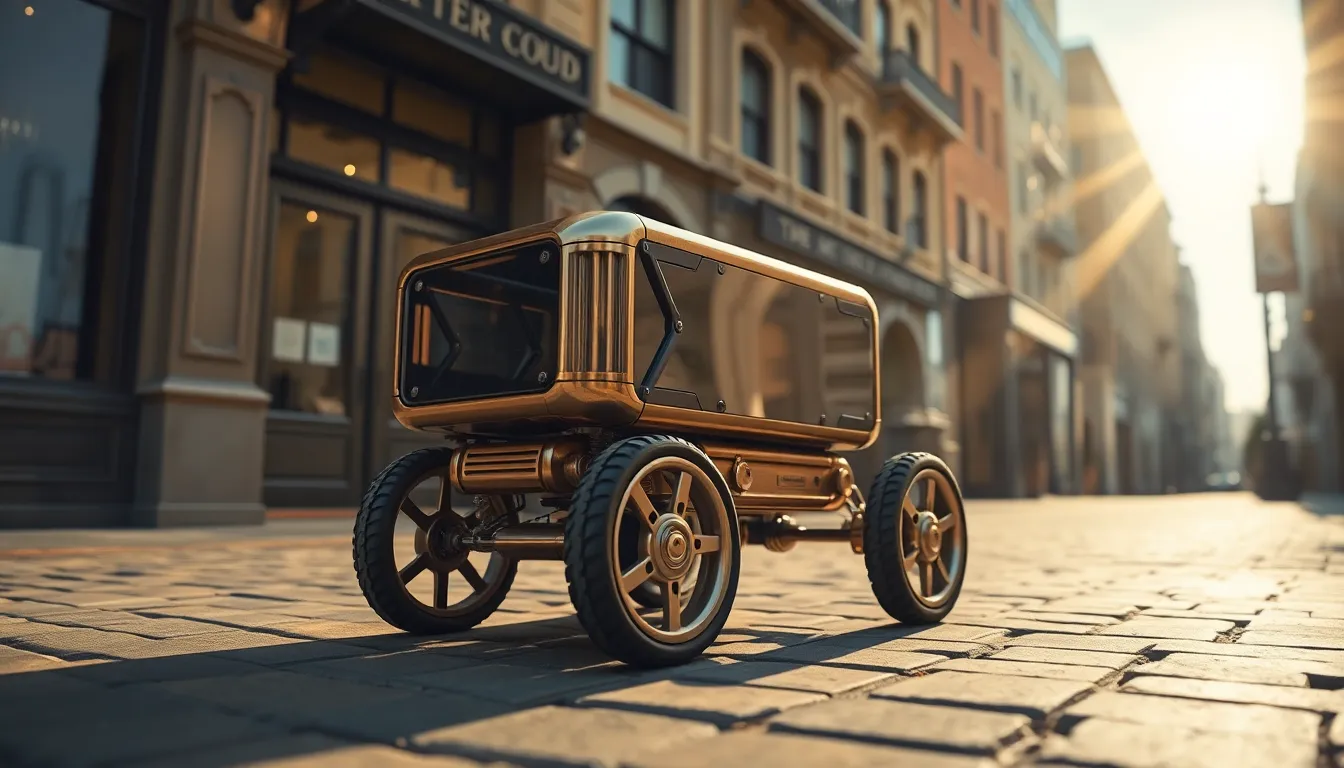
Most bots are about the size of a large cooler on wheels. They have lockable compartments to keep deliveries secure and weatherproof. When a customer places an order, the robot is dispatched from a local hub. It follows a pre-planned route but adjusts in real time based on what its sensors detect. If someone steps in front of it, it stops. If a car blocks a driveway, it reroutes. When it arrives at the destination, the customer gets a notification and unlocks the compartment via an app.
Behind the scenes, there's often a remote operations team monitoring a fleet of robots. If a bot encounters something it can't handle - a blocked sidewalk, a confusing intersection - a human operator can step in and guide it. This hybrid approach keeps things running smoothly while the machine learning systems continue to improve. Over time, the bots learn routes better, recognize patterns, and handle edge cases with less human intervention.
Where They're Already Operating
Starship Technologies, founded by Skype co-founders Ahti Heinla and Janus Friis, began launching pilot services for autonomous delivery robots in the US and UK in 2016. By November 2020, Milton Keynes in England claimed to have the world's largest autonomous robot fleet for deliveries. Today, Starship operates in dozens of locations, including university campuses like George Mason University in Virginia and residential neighborhoods in cities such as Tempe, Arizona.
The COVID-19 pandemic accelerated adoption significantly. Contactless delivery became a necessity, and these robots offered a way to get food and essentials to people without human-to-human interaction. Universities were early adopters because campuses provide a controlled environment with clear pathways, predictable foot traffic, and a tech-savvy user base willing to try new services. Students order burritos, coffee, or groceries, and a bot delivers them to a dorm or library within minutes.
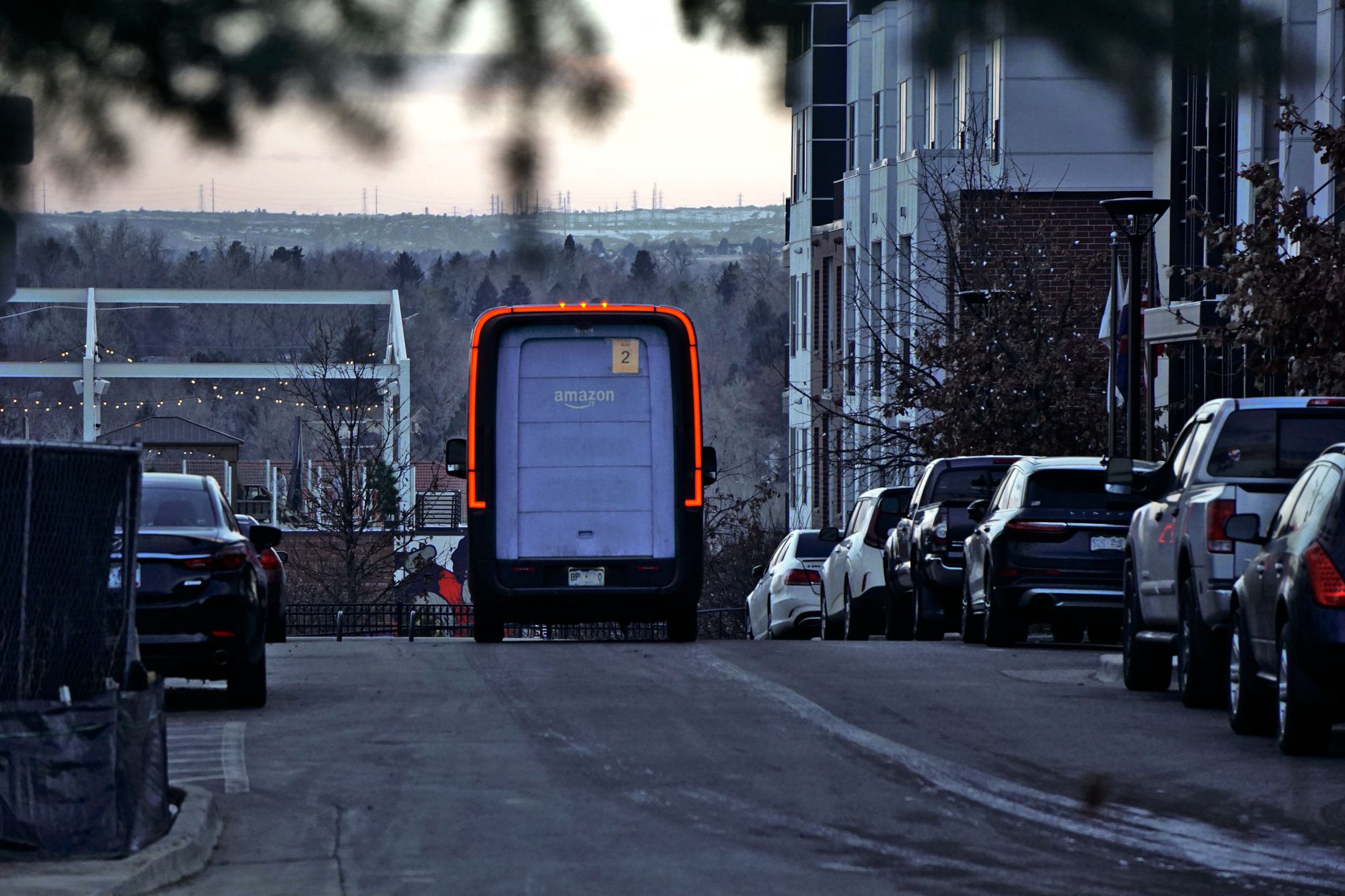
Beyond campuses, delivery bots are working in suburban neighborhoods where sidewalks are wide and traffic is manageable. Companies like Amazon have tested their own Scout robots in select cities. Serve Robotics, which spun out of Postmates, operates in Los Angeles. These aren't just tech demos. They're fulfilling real orders, integrated into existing delivery platforms, and becoming a routine part of how some people get their meals and packages.
The Benefits and Practical Realities
For businesses, autonomous delivery bots offer a way to reduce labor costs and increase delivery capacity. A single human supervisor can monitor multiple robots at once, expanding the reach of a restaurant or grocery store without hiring more drivers. Delivery fees can potentially come down because the per-trip cost is lower. For customers, the appeal is convenience and speed. On a college campus, getting lunch delivered to your exact location in under 20 minutes without tipping or waiting for a driver has obvious appeal.
Environmental impact is another angle. Electric robots produce zero emissions and use far less energy than a car making the same trip. In dense urban or suburban areas where most deliveries are short distances, replacing car trips with sidewalk robots could reduce traffic congestion and carbon footprint. They also free up curb space since they don't need to park or idle in loading zones.
But there are real challenges. Sidewalk infrastructure varies widely. In older cities or low-income neighborhoods, sidewalks may be cracked, narrow, or nonexistent. Snow, ice, and heavy rain can limit where and when robots operate. Accessibility is a concern - a robot blocking a sidewalk can create problems for people using wheelchairs or pushing strollers. Theft and vandalism have happened, though lockable compartments and GPS tracking help mitigate that risk.
Regulation is still catching up. Some cities have embraced delivery bots with clear permitting systems. Others have imposed strict limits on the number of robots allowed or banned them outright from certain areas. There's ongoing debate about whether sidewalks should prioritize pedestrians over commercial robots, and how to balance innovation with public space.
What Comes Next
The technology will keep improving. Better sensors, more efficient batteries, and smarter AI will make these robots faster, more reliable, and able to handle a wider range of environments. We'll likely see them expand into more cities and into different delivery categories - pharmacy prescriptions, library books, retail returns. Integration with smart city infrastructure could allow robots to communicate with traffic signals or receive real-time updates about road closures.
There's also potential for these bots to work alongside other autonomous systems. Imagine a future where a delivery drone hands off a package to a ground robot for the final stretch to your door. Or where autonomous shuttles and sidewalk bots coordinate to create a fully automated logistics network within a neighborhood.
The social dimension matters too. As these robots become more common, we'll develop new norms around sharing sidewalk space. Kids might grow up seeing delivery bots as just another part of the streetscape, the way we've normalized seeing cars or bikes. Or there could be pushback if people feel their public spaces are being commercialized or if the benefits flow mainly to affluent neighborhoods while others are left out.
Conclusion
Autonomous delivery bots are no longer a futuristic concept. They're operating right now in real communities, handling real deliveries, and solving real logistical problems. They represent a practical application of robotics and AI that's visible, tangible, and directly affects daily life. The rollout won't be uniform - some cities will embrace them faster than others, and infrastructure and regulation will shape where and how they operate. But the trajectory is clear. These small, wheeled robots are becoming part of the urban fabric, changing how goods move through our neighborhoods and offering a glimpse of what automated logistics can look like at street level. The technology works. The question now is how we integrate it in ways that benefit everyone, not just early adopters or well-funded tech hubs.
FAQs
Can delivery robots operate in bad weather?
Most delivery bots are built to handle light rain and moderate conditions, with weatherproof compartments to protect packages. However, heavy snow, ice, and severe storms can limit or halt operations. Slippery sidewalks and reduced sensor visibility make navigation risky. Companies typically pause service during extreme weather and may use human drivers as backup in those situations.
How do these robots deal with theft or vandalism?
Delivery bots use GPS tracking, cameras, and locked compartments to deter and respond to theft. If someone tampers with a robot, the remote operations team is alerted immediately and can communicate through speakers or contact local authorities. While vandalism does occur, most incidents are minor, and the bots are designed to be robust and recover quickly from disruptions.
What happens if a delivery bot blocks a wheelchair user?
This is a legitimate accessibility concern. Responsible operators program robots to stay to one side of the sidewalk and pause or reroute when they detect pedestrians. Some cities require minimum sidewalk clearance for permits. However, enforcement varies, and advocacy groups continue to push for stronger accessibility standards and accountability when bots create barriers for people with mobility challenges.
Do delivery robots take jobs away from human delivery drivers?
The impact is nuanced. Robots handle short, high-volume trips efficiently, which could reduce demand for some delivery gigs. But they also create new roles in fleet management, maintenance, and remote operations. In many cases, companies use bots to supplement human drivers rather than replace them entirely, especially for longer or more complex routes that robots can't yet handle well.
Are there plans to expand delivery bots beyond sidewalks?
Some companies are experimenting with robots that can navigate bike lanes or even operate in mixed-traffic environments at low speeds. There's also interest in indoor delivery within large buildings, hospitals, or airports. The technology is evolving, and as regulations adapt, we may see bots operating in a broader range of spaces beyond traditional sidewalks.