
Language barriers are collapsing in real time, and you can carry the technology in your ears. Real-time translation earbuds powered by AI are transforming how we communicate across languages, turning awkward phrase-book fumbling and clunky app interfaces into instant, flowing conversation. These tiny devices listen to speech in one language and speak it back in another within seconds, making science fiction feel suddenly ordinary. For travelers, business professionals, and anyone navigating multilingual environments, this technology represents a fundamental shift in how we connect with people who don't share our language.
How AI Translation Earbuds Actually Work
The magic behind these earbuds isn't magic at all. It's a carefully orchestrated three-step AI process that happens faster than you can blink. First comes speech recognition, where the device captures incoming audio and converts spoken words into text. The AI has to distinguish your conversation partner's voice from the rumble of traffic, restaurant chatter, or wind noise, a task that requires sophisticated machine learning algorithms trained on millions of hours of human speech.
Step two is machine translation, where the text gets converted from the source language to your target language. This isn't the word-by-word substitution of old-school translation apps. Modern AI translation models understand context, idioms, and grammatical structure across languages. They've learned from vast multilingual datasets, allowing them to handle the subtle differences between how different languages express the same idea.
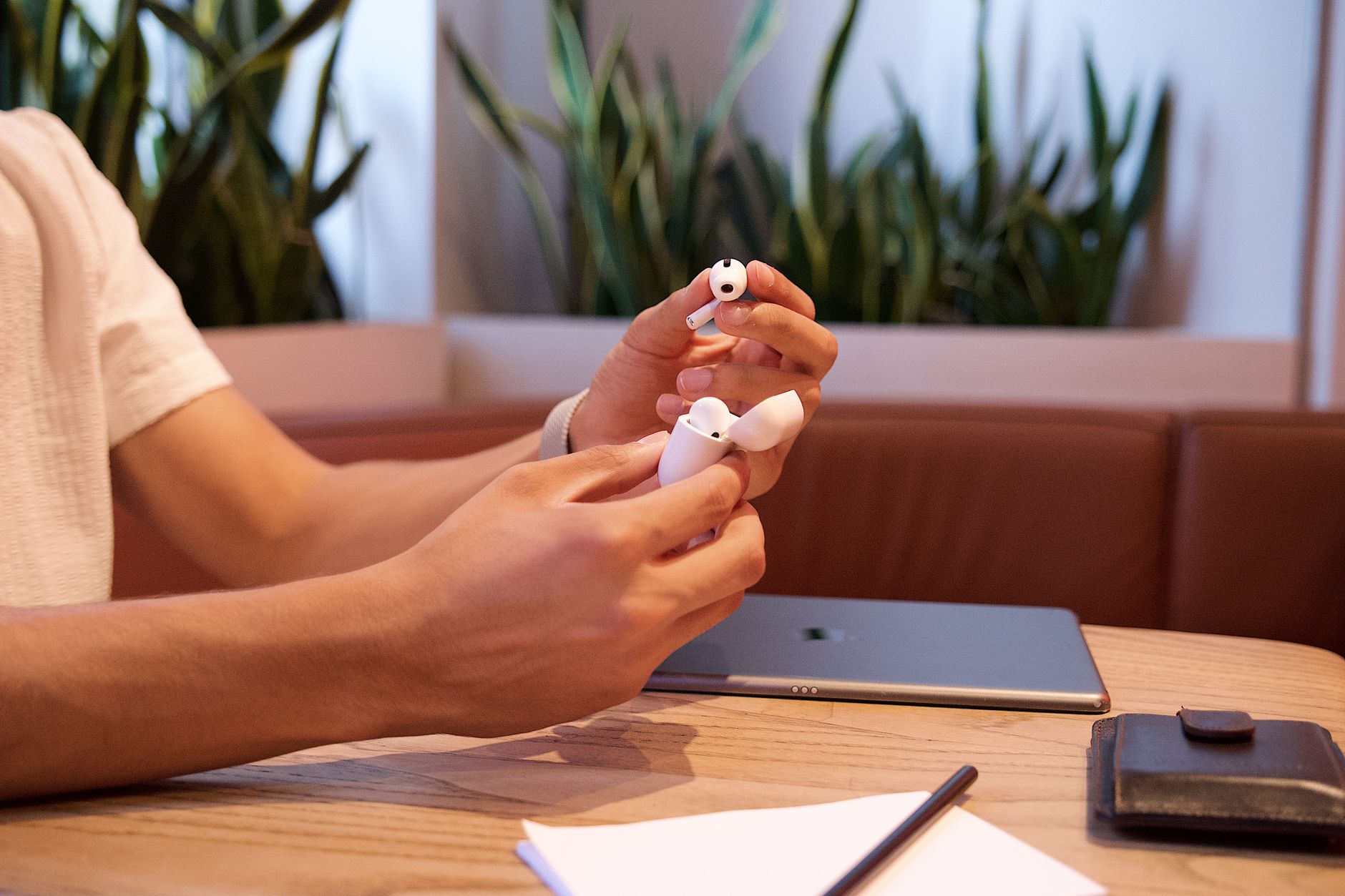
The final step is audio playback, where the translated text gets converted back into natural-sounding speech and played through your earbuds or your conversation partner's device. The entire cycle, from hearing foreign words to understanding them in your language, takes under one second in top-performing models. Some systems achieve up to 96% accuracy in supported languages, though that figure varies based on language pair, accent, and audio conditions.
Most of these earbuds don't handle all this processing internally. They typically connect via Bluetooth to a companion smartphone app, offloading the heavy computational work to your phone's processor and cloud servers. This approach keeps the earbuds small and battery-efficient while tapping into more powerful AI models than could ever fit in a device that size.
Real-World Performance and Practical Limits
We need to talk honestly about what these devices can and can't do. The 96% accuracy figure sounds impressive, and it is, but that remaining 4% matters. In casual conversation about directions, food orders, or small talk, minor errors rarely derail understanding. You'll get the gist even if the AI stumbles over a verb tense or misses a word. But in high-stakes situations like medical consultations, legal discussions, or technical negotiations, that 4% gap can create real problems.
Language pairs matter enormously. Translation between English and Spanish, or English and French, generally works better than less common pairs. The AI models have more training data for widely spoken languages, and linguistic similarities between related languages make the translation task easier. If you're working with a less common language or a regional dialect, expect accuracy to drop.
Background noise remains a genuine challenge. These earbuds excel at filtering out steady ambient sound, but sudden loud noises, overlapping conversations, or poor audio conditions can confuse the speech recognition system. The AI might miss words entirely or mishear them, sending incorrect input to the translation engine. In quiet, controlled environments, the technology feels almost seamless. In a crowded train station or busy street market, you'll notice the limitations.
Speed varies by system, but the sub-second translation times we're seeing in 2026 represent a massive improvement over even a few years ago. Still, there's an inherent delay. Conversations don't flow quite as naturally as speaking the same language. You speak, wait for the translation, hear the response, wait again. It works, but it requires patience and adjustment from both parties.
Why This Technology Feels Like Science Fiction
People inevitably compare these earbuds to fictional universal translators. The Babel Fish from "The Hitchhiker's Guide to the Galaxy" was a small creature you put in your ear that instantly translated any language. Star Trek's Universal Translator performed the same function with technology instead of biology. Both concepts seemed absurdly futuristic when they were written. Now we're carrying real versions in our pockets.
The comparison makes sense, but it also oversells current capabilities. Douglas Adams' Babel Fish was perfect and instantaneous. Star Trek's technology worked flawlessly across countless alien species with no setup required. Real AI translation earbuds need internet connectivity, work best with certain language pairs, require charging, and still make mistakes. They're remarkable tools, not miracle devices.
What makes the technology feel science-fictional isn't just that it exists, but how quickly it became ordinary. Five years ago, the idea of having real-time translation in wireless earbuds seemed like a far-off possibility. Today, multiple companies offer competing products at various price points. The technology went from prototype to consumer product to "yeah, I've seen those" in what feels like a blink.
The cultural impact matters too. These devices change power dynamics in international interactions. Speaking the dominant language in any situation carries advantages. Translation earbuds don't eliminate those advantages entirely, but they reduce the barrier enough to shift conversations. A traveler in Tokyo or Cairo can navigate complex situations without relying on English speakers or professional translators. That's a meaningful change in how we experience the world.
Practical Applications Beyond Tourism
Travel gets most of the attention in marketing materials, but the applications run deeper. Healthcare settings present compelling use cases, despite the accuracy concerns mentioned earlier. A doctor and patient who don't share a language can communicate basic symptoms, treatment plans, and questions with translation earbuds as a starting point, even if they still need professional medical interpreters for detailed informed consent or complex diagnoses.
Business contexts are driving significant adoption. International meetings, factory floor communications, customer service interactions across borders - all become more accessible when language barriers shrink. Companies operating in multiple countries can reduce their reliance on multilingual staff or expensive interpretation services for routine interactions, saving those resources for situations requiring human expertise.
Education represents another frontier. Students learning a new language can use translation earbuds as training wheels, gradually building comprehension while having a safety net for words they haven't learned yet. Language classes can pair students who speak different native languages, facilitating real conversations earlier in the learning process.
Emergency response scenarios benefit from faster communication. First responders encountering people who don't speak the local language can gather critical information more quickly than waiting for human interpreters. Again, these tools supplement rather than replace human professionals in high-stakes situations, but they fill gaps that previously left people isolated or endangered.
Conclusion
Real-time translation earbuds work well enough right now to solve real problems. They're not perfect, and they're not universal, but they've crossed the threshold from interesting prototype to genuinely useful tool. The AI technology underpinning them will keep improving, and accuracy rates will climb, delays will shrink, and supported languages will expand. But even at current performance levels, these devices are changing how we interact across language barriers.
The key is understanding what you're getting. These earbuds excel at casual conversation, basic transactions, and getting the general meaning across in situations where you'd otherwise be lost. They struggle with technical precision, nuanced discussion, and environments where perfect accuracy matters. Use them as powerful aids, not complete solutions. Pair them with cultural awareness, patience, and realistic expectations, and they become transformative tools for connection. Expect them to work like science fiction, and you'll be disappointed. The technology we have is remarkable enough without the exaggeration.
FAQs
Do translation earbuds work offline or do they need internet?
Most models require an active internet connection because the heavy AI processing happens in the cloud, not in the earbuds themselves. Some newer devices offer limited offline functionality for specific language pairs, but with reduced accuracy and fewer supported languages. If you're traveling somewhere with unreliable connectivity, check whether your specific model supports offline mode for the languages you need, and test it before you depend on it.
Can these earbuds handle regional accents and dialects?
Performance drops noticeably with strong regional accents or less common dialects. The AI models train primarily on standard versions of major languages, so a strong Scottish accent speaking English or a regional Chinese dialect will challenge the speech recognition more than neutral, clearly spoken language. Users report better results when both parties speak somewhat clearly and avoid heavy slang, though improvements continue as training datasets expand to include more linguistic variety.
How many languages do these earbuds typically support?
Support ranges from around 40 to over 90 languages depending on the brand and model, but those numbers require context. A device might technically support 90 languages while only offering high-quality, reliable translation for 20 or 30 of the most common ones. Always check whether your specific language pair is listed among the device's primary supported languages rather than just appearing on the full list, as translation quality varies dramatically between tier-one and tier-three language support.
What's the battery life like during active translation?
Continuous translation mode drains batteries faster than regular audio playback because of the constant Bluetooth connection, microphone use, and processing handoff to your phone. Typical battery life during active translation runs between 3 to 6 hours depending on the model, compared to 8 to 12 hours for standard music listening. Your phone's battery also takes a hit since it's handling much of the processing work, so plan to carry charging options for longer days of heavy translation use.
Are translation earbuds worth buying for learning a new language?
They can support language learning but won't replace structured study. Using translation earbuds while practicing with native speakers helps beginners have real conversations earlier than they otherwise could, building confidence and exposing them to natural speech patterns. However, over-reliance on instant translation can slow the development of independent comprehension and speaking skills. Language teachers suggest using them strategically for practice conversations while still dedicating separate time to traditional learning methods like vocabulary study, grammar practice, and listening exercises without technological assistance.